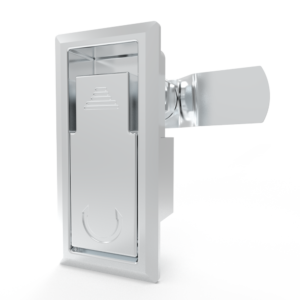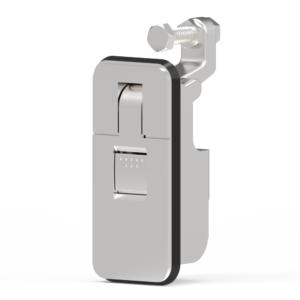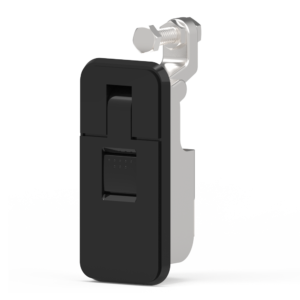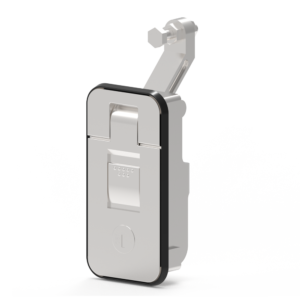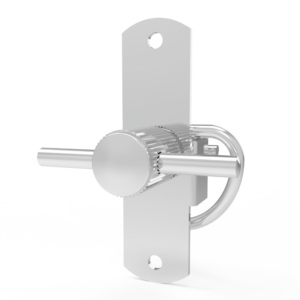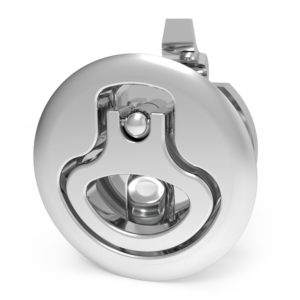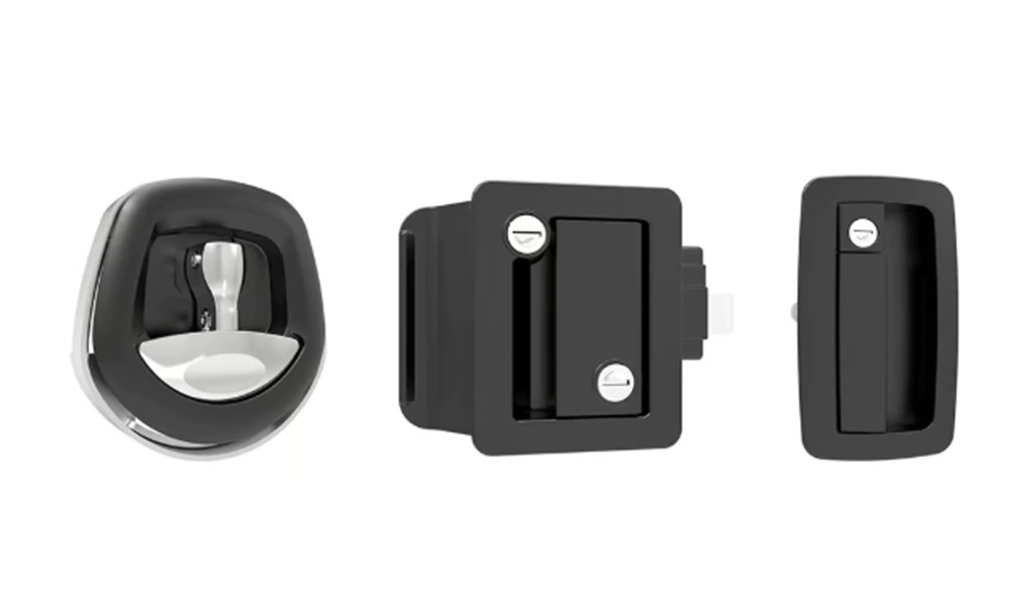
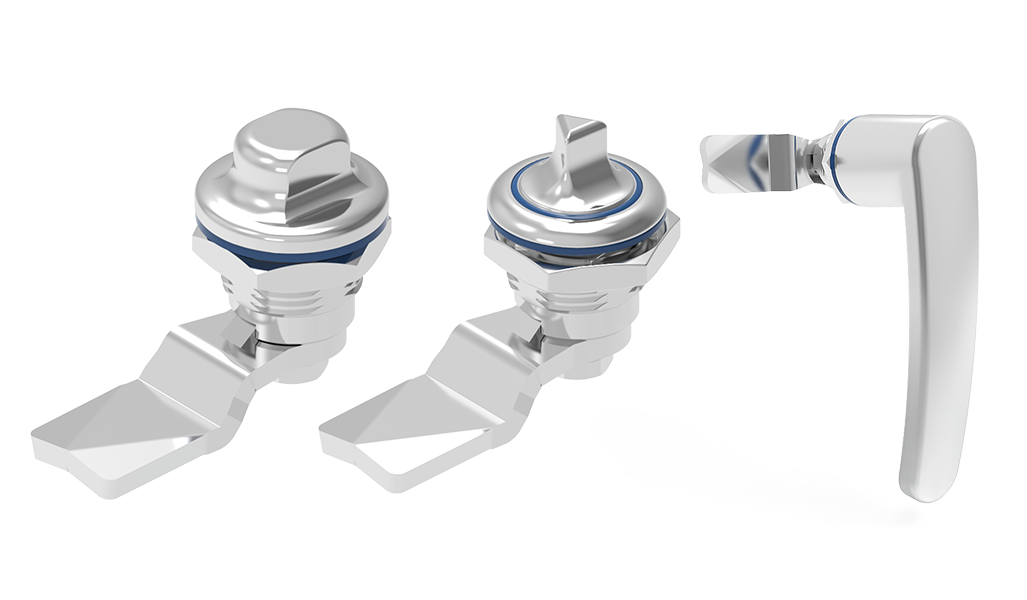





When people compare a compression lock against a liner lock, they are usually trying to answer two very different questions: one is a structural question about how a mechanical lock resists force, and the other often comes from looking at two mechanisms that share similar words in everyday conversation—most notably compression latches used on industrial enclosures and liner locks found on pocket knives or folding hardware.
Here is the straightforward engineering answer: strength isn’t a single number—it depends on which direction the load is coming from, how the parts fit together, and what the mechanism is actually built to hold. A compression lock is engineered to pull mating surfaces tightly together and resist separation or vibration under clamping load, whereas a liner lock relies on a spring-loaded leaf or bar wedging against a stop face to block rotation or opening.
In our day-to-day work at CUYUE, we see buyers and product teams get tripped up when “strength” is treated as a blanket label rather than a function of geometry, material, and application stress. Getting that distinction right up front saves prototypes, avoids field failures, and keeps hardware selection grounded in reality.
How the Two Mechanisms Handle Force
To see where one outperforms the other, look at how each design transfers load:
Compression Lock: Clamping Force and Tight Fit
A compression lock (or compression latch) does more than simply block a door, lid, or panel from swinging open. As you actuate the handle, lever, or cam, the mechanism draws the latching element inward toward the frame or mounting surface.
What it excels at: Creating tight gasket compression, eliminating play between door and frame, resisting rattle under vibration, and keeping seals seated against dust and moisture (IP65 / NEMA 4 style enclosure demands).
Where it is vulnerable: Like any mechanical fastener, excessive prying force, over-tightening, or poor grip range alignment can stress the pawl, cam, or mounting point beyond its intended load path.
Liner Lock: Wedged Stop and Edge Engagement
A liner lock works by having a spring-biased inner plate or locking bar shift laterally behind a mating tang or stop surface once the moving part reaches its open or locked position.
What it excels at: Quick, one-handed engagement and a compact internal profile where a thin locking leaf can slide cleanly into place.
Where it is vulnerable: Because engagement relies on the edge or face of a relatively thin leaf staying wedged against a stop under load, sharp impact, off-axis torque, or wear on the engagement face can allow slip if the part is pushed past its design limits.
Why “Stronger” Depends on the Jobsite Reality
Calling a compression lock or a liner lock “stronger” in the abstract misses what actually breaks hardware in the field:
Clamping vs. Blocking: A compression lock actively pulls surfaces together—crucial when a door gasket needs uniform squeeze or a panel needs to stay quiet on a vibrating machine. A liner lock is fundamentally a position stop; it blocks movement along a plane rather than compressing a seal.
Tolerance and Wear: If tolerances stack up loosely or surfaces wear down over repeated cycles, a thin wedged lock has less margin for error than a mechanism designed around controlled travel and solid contact surfaces.
Material Matters More Than Buzzwords: Whether you are looking at 304 or 316 stainless steel, zinc alloy, or another metal alloy, wall thickness, heat treatment or temper, and clean machining/molding determine whether a part bends, peens, or holds firm.
Quick Comparison: Compression Lock vs. Liner Lock
| Aspect | Compression Lock | Liner Lock |
| Primary Action | Pulls mating surfaces together with clamping travel | Shifts an inner locking leaf/bar behind a stop face |
| Best Strength | Tight closure, reduced play, seal & rattle control | Compact profile and straightforward stop engagement |
| Key Watch-Out | Proper fit/grip alignment and avoiding over-torquing | Edge wear, impact shock, and off-axis loading |
| Typical Fit | Panels, doors, and enclosures needing tight pull-up | Compact folding/pivoting mechanisms with a stop tang |
Choosing the Right Hardware for Your Application
If your priority is pulling a door or enclosure panel snug against a frame, cutting down vibration noise, and maintaining a reliable seal, a compression lock is built for that exact job. If your design calls for a compact locking leaf on a pivoting mechanism, evaluate the exact engagement geometry and duty cycle before locking in the spec.
At CUYUE, we are a comprehensive industrial locking hardware manufacturer backed by a dedicated R&D and design team, specializing in cabinet locks, industrial hinges, and handles. With complete in-house product R&D, mold development, manufacturing, and product testing and verification capabilities, we provide end-to-end industrial locking system solutions built to meet growing customer demands for consistent quality, rapid delivery, customization, and disciplined cost control.
Working through a hardware selection or custom cabinet locking project? Share your application needs with CUYUE to explore practical locking solutions tailored to your requirements.