


Gaskets
Our high-performance gasket and sealing solutions are easy to apply and offer a variety of materials to choose from, including PVC, EDPM, rubber blends and chloroprene rubber blends, nitrile, and PVC.
Products Categories
Get A Free Quote
Gaskets Series
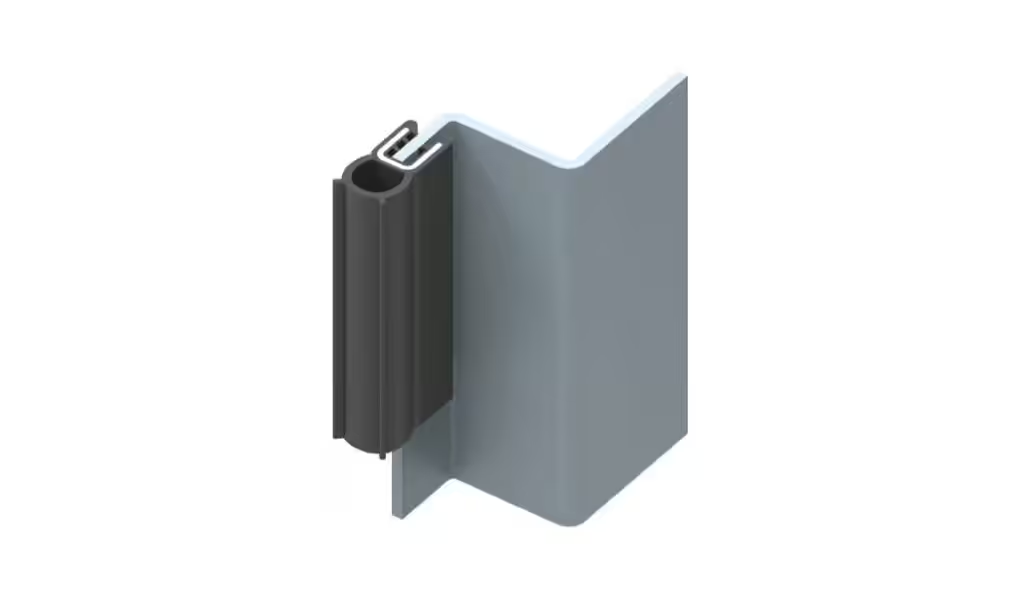
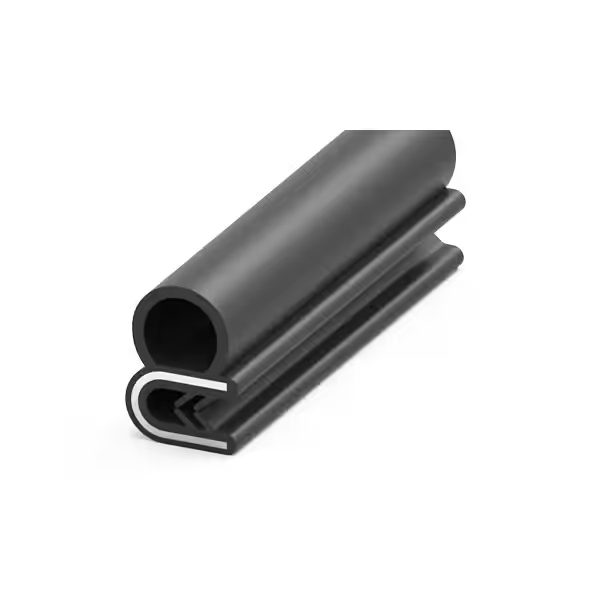
CUYUE manufacturing Gaskets which for Sealing profile, self-clamping.


Frequently Asked Questions
What is an industrial gasket and what is its primary function?
An industrial gasket is a flexible sealing component engineered to fill the space between two mating surfaces to prevent water, dust, oil, or gas leakage under compression.
What are the most common materials used for enclosure sealing gaskets?
EPDM, silicone, neoprene, and nitrile (NBR) rubber are the most widely used materials due to their superior weatherability, chemical resistance, and flexibility.
How do I choose between EPDM and silicone gaskets for outdoor enclosures?
EPDM offers cost-effective protection against UV rays, ozone, and outdoor weathering, while silicone provides maximum temperature resilience for extreme hot or cold environments.
What is the difference between push-on edge trim gaskets and self-adhesive gaskets?
Push-on edge trim gaskets feature an embedded steel clip channel that grips panel edges without glue, whereas self-adhesive gaskets stick directly onto flat cabinet surfaces using pressure-sensitive tape.
How do gaskets help enclosures achieve IP65 or NEMA 4 protection ratings?
Compressed gaskets form a continuous, gap-free seal between the door and frame to block pressurized water jets, dust, and environmental moisture.
What is "compression set" and why does it matter when selecting a gasket?
Compression set is the permanent deformation a gasket material retains after being compressed over time, which determines its ability to maintain a tight seal long-term.
What is the difference between sponge (foam) rubber and solid rubber gaskets?
Sponge rubber gaskets compress easily under low closing forces to seal irregular panel gaps, while solid rubber gaskets offer higher tensile strength for heavy structural sealing.
Are fire-retardant gaskets required for electrical cabinet enclosures?
Yes, many electrical and telecom cabinets require UL 94 V-0 or EN 45545 certified fire-retardant gaskets to meet international enclosure safety standards.
How do I measure an enclosure door to select the correct gasket profile?
Measure the door panel edge thickness, the gap clearance between the door and frame when latched, and the total perimeter seal length.
Can rubber gasket profiles be joined into continuous corner-sealed loops?
Yes, gasket profiles can be corner-molded or vulcanized at 90-degree joints to create a seamless, leak-proof perimeter seal for cabinet doors.
