


Captive Screws

Products Categories
Get A Free Quote


Frequently Asked Questions
What is a captive screw and how does it work?
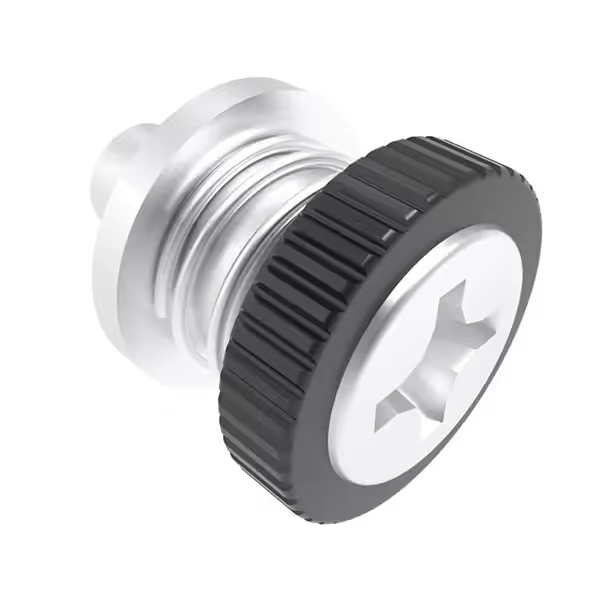
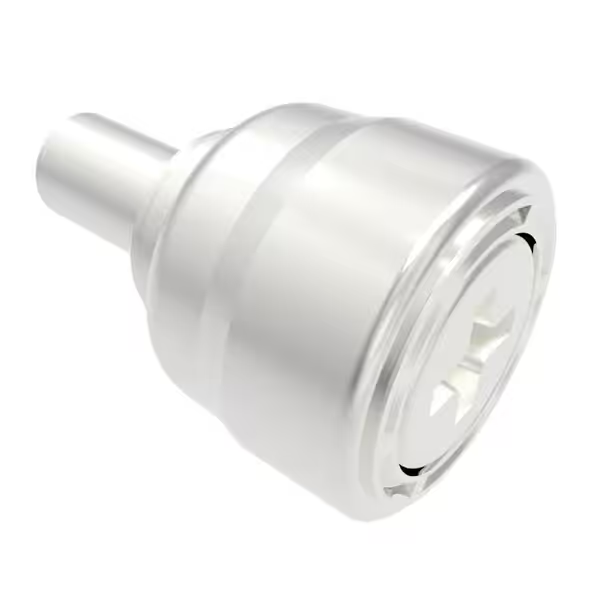
A captive screw is a specialized fastener engineered to remain attached to a panel or door even when fully unthreaded, preventing lost hardware and internal component damage.
What is the main advantage of using captive screws over standard screws?
Captive screws eliminate misplaced hardware, prevent dropped fasteners from shorting electronics, and ensure compliance with machinery safety regulations.
How are captive screws installed into sheet metal or plastic panels?
They are permanently installed into pre-drilled panel holes using press-in, snap-in, flare-in, or thread-in mounting styles.
What is the difference between spring-loaded and non-spring-loaded captive screws?
Spring-loaded captive screws automatically retract their threads when loosened to prevent panel binding, whereas non-spring models remain hanging on the panel shank.
What applications commonly require captive screws?
They are widely installed on IT server chassis, telecom rack panels, medical devices, aerospace access hatches, and industrial control boxes.
What materials offer the best durability for captive screws?
300-series stainless steel provides high tensile strength and corrosion resistance, while aluminum offers lightweight performance for electronics and aerospace.
How do I select the right panel thickness range for a press-in captive screw?
Measure the exact sheet metal panel thickness and select a retainer shank length that matches or slightly exceeds the panel measurement.
What is a floating captive screw?
A floating captive screw allows slight radial or lateral movement inside its retainer housing to compensate for hole misalignment between mating panels.
Are captive screws removable once press-fitted or flared into a panel?
Press-in and flare-in captive screws are designed for permanent installation, though thread-in or retaining-ring styles can be removed using specific tools.
Why are captive screws often required on machinery guard covers?
International safety standards (such as the EU Machinery Directive) require fasteners on protective guards to remain attached to the guard when opened to prevent unsafe operation.
