


Fasteners
Products Categories
Get A Free Quote
Fasteners Series
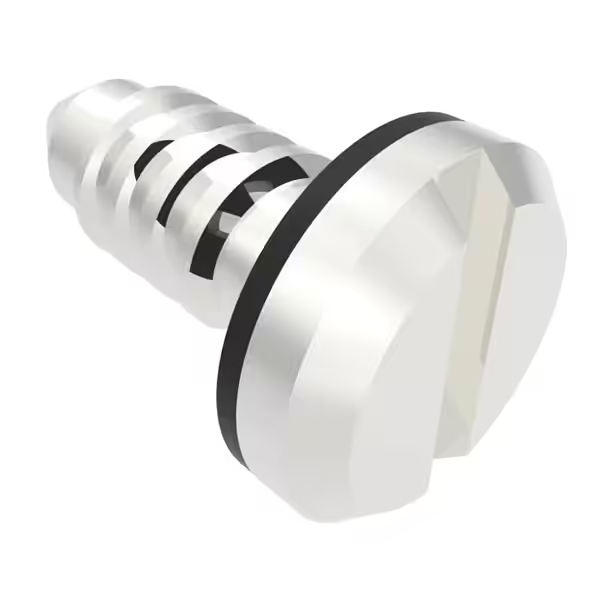
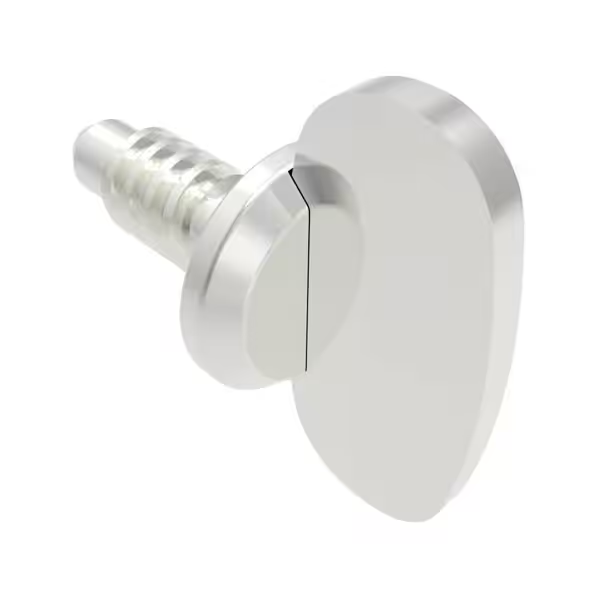
CUYUE provides Fasteners. Including Captive screws Quarter-turn fasteners Quick access fasteners.




Frequently Asked Questions
What are industrial fasteners?
Industrial fasteners are hardware devices engineered to mechanically join, secure, or affix two or more objects together in structural and machinery assemblies.
What is the difference between threaded and non-threaded fasteners?
Threaded fasteners (such as screws and bolts) utilize helical grooves to create removable joints, while non-threaded fasteners (such as rivets and pins) create permanent or semi-permanent mechanical bonds.
Which fastener material offers the best corrosion resistance for outdoor applications?
304 and 316 stainless steel provide maximum corrosion resistance and structural integrity in harsh outdoor, marine, and chemical environments.
How do I measure the size and thread pitch of a fastener?
Measure the outer major diameter of the thread using a caliper, and count the threads per inch (Imperial) or measure the distance between adjacent thread peaks in millimeters (Metric).
What is thread galling and how do you prevent it on stainless steel fasteners?
Thread galling is pressure-induced friction welding between mating threads, which can be prevented by applying anti-seize lubricant and reducing tightening speed.
What do bolt strength grades (like Grade 5, Grade 8, or Class 8.8/10.9) mean?
Bolt grades and property classes define the fastener's tensile strength, yield strength, and material hardness under mechanical load.
Can metric and imperial fasteners be used interchangeably?
No, metric and imperial fasteners have incompatible thread pitches and diameters, and attempting to mate them will strip or jam the threads.
How do self-locking fasteners prevent loosening from vibration?
Self-locking fasteners utilize nylon insert collars, prevailing torque threads, or serrated flanges to lock the fastener in place under continuous dynamic shock.
What is the difference between a bolt and a screw?
A bolt passes through unthreaded clearance holes and secures with a nut, whereas a screw threads directly into a tapped mating hole or forms its own threads.
What factors should be considered when selecting fasteners for OEM assemblies?
Choose fasteners based on required tensile and shear load capacities, joint material thickness, operating temperatures, drive style, and environmental corrosion risks.
